Why I Wrote My First Children’s Story for My Grandson

reading

Image: boomerhighway.org

I published The Day a Dragon Came to Live with Us yesterday but not any sort of explanation about where the story came from or why I wrote it (except on Facebook and Google+).

I consider it one of my best efforts but it doesn’t seem to be getting a lot of love so far. Probably one of the reasons is that it’s over 5700 words long, basically a short story or a book chapter. Who’s got the time, right?

This story is different. It’s personally important to me. I’ve invested a lot of emotion in it. I wrote it for my seven-year-old grandson.

He’s really imaginative and every time I see him, he wants to play our “game”. Our game is a talking game. He assigns us both roles and then we make up an adventure. In our current game, I am “Grandpa” (no surprise there) and he is my pet “Honey Dragon”.

Actually, the term “pet” is a bit of a misnomer since the dragon is supposed to be thousands of years old and know all kinds of arcane magical spells.

Our game scenarios are highly derivative. He pulls a lot of his ideas from “Harry Potter” and I pull mine from all kinds of comic books, science fiction stories, TV shows, and films.

I’ve tried to write a story for him before, but I couldn’t get the hang of it. However, our current series of adventures spawned an idea, a story about a boy and his dragon.
Continue reading

The Oppressed People: From the Chronicles of the Diluvian Kings

dragon

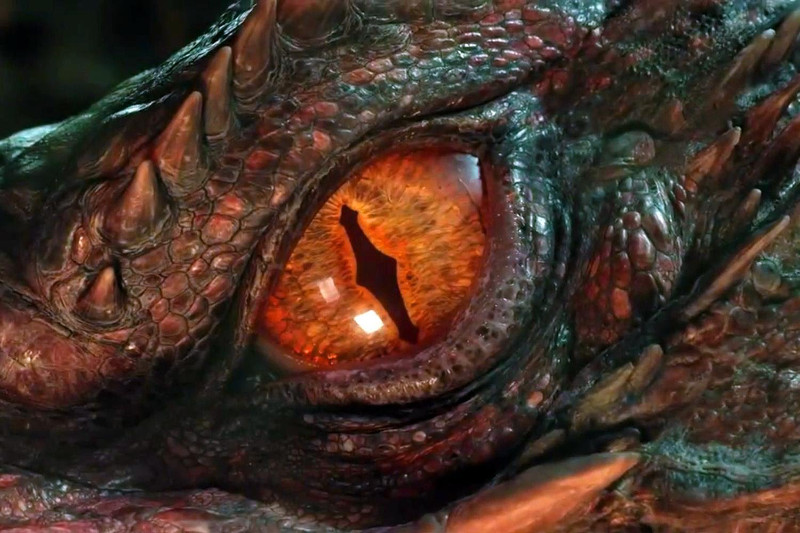
from “The Hobbit” (2012)

They gathered in defiance and rage at the base of the mountain. The dragon, that evil serpent of old, had terrorized The People for the last time. The people in the surrounding towns and villages never understood how horrible the dragon’s persecution was. To them, the dragon was a protector, a savior, and ally. To The People, the only People who have ever suffered the wrath of the dragon, the beast was always an invincible foe, a terrible enemy.

Three days ago, all that had changed.

Shay the Dragon had existed as far back as living memory could recall. Her tales were chronicled in the Scrolls of the Diluvian Kings beginning more than a thousand years ago. Her scales were always a brilliant gold, her fangs ivory six-inches long, her wings spread nearly the width of the village of The People, and when she took flight, there was the sound of thunder.

Except to The People, her tales always were sagas of benevolence, of kindness, of protection from evil, of security. But The People were always told that Shay was the bringer of terror, persecution, and slavery. Should Shay be seen soaring above the village of The People, it always meant that someone would die. It always meant some of The People would be taken to be slaves in the mines of Shay, digging for precious metals and jewels until the work exhausted and finally killed them.

Why Shay treated The People and only The People with cruelty was unknown, but The People among all the people of the surrounding towns and villages, eventually were considered to be outcasts since they alone suffered under the dragon’s horrendous claws.

These were the tales of The People. This is what the minstrels of the High King always sang of when they visited the village of The People, which was increasingly frequent these days. Children had nightmares of Shay visiting them in the night, stealing them from the safety of their homes. The dreams were especially vivid after a visit from the High King’s minstrels.

No one in living memory could actually recall the last time Shay appeared in the village of The People. They were only reminded of such events by the minstrels of the High King when they visited from the Bright Kingdom many leagues away. The minstrels, in the name of protecting The People, stirred up their fear, stoked the flames of anger, inspired a collective feeling of victimization and injustice among them.

Only the High King and his minstrels understood The People, understood that the dragon was the enemy of The People, and only the High King protected and defended The People.

Continue reading