The Marked Man

Hyderabad slum

Hyderabad slum morning scene – 30 March 2012 – Found at Wikipedia

And Hashem placed a mark upon Cain, so that none that meet him might kill him. –Genesis 4:15 (Stone Edition Chumash)

The marked man worked with the other men and the children, laboring for the paltry sum earned in the slums, but he wasn’t one of them. He wasn’t a European, Indian or Pakistani. His Telugu was poor, but he usually made himself understood. However, none spoke to him more than they had to.

Sai was only five years old and he didn’t comprehend the mark. “Who are you?” The inquisitive child sat next to him during a break, but before the man could answer, his father Arjun picked him up and whisked him away. But in that moment, Arjun looked into the stranger’s eyes, and was gripped by the horrible realization that he who called himself Qābīl, had been cursed by God since the Creation.

I wrote this for the What Pegman Saw challenge. The idea is to take a Google maps location and/or image and use it as the inspiration for crafting a flash fiction piece no more than 150 words long. My word count is 145.

Today, the Pegman takes us to Golconda Fort, Hyderabad, India. Of course I looked up Hyderabad and especially its languages, religions, and slums.

Although I’m not Jewish, I read the weekly Torah portions every Shabbat (in this case, Saturday morning) in the Jewish tradition. The reasons for this are complicated and beyond the scope of this wee commentary, but today, we begin a brand new annual Torah cycle with Beresheet or Genesis 1:1-6:8. This includes the infamous tale of Cain and Abel. After Cain killed his brother out of jealousy, Hashem (God – in Hebrew, “The Name”) banished him, and because of that, Cain feared for his life. So Hashem did this:

Cain said to Hashem, “Is my iniquity too great to be borne? Behold, You have banished me this day from the face of the earth — can I be hidden from Your presence? I must become a vagrant and a wanderer on earth; whoever meets me will kill me!” Hashem said to him, “Therefore whoever slays Cain, before seven generations have passed, he will be punished.” And Hashem placed a mark upon Cain, so that none that meet him might kill him. –Genesis 4:13-15 (Stone Edition Chumash)

Interestingly enough, Cain’s death was never recorded, although there are theories about how he was killed. But what if he didn’t die? How does a marked man live for thousands upon thousands of years, wandering the face of the earth?

I know I’ve taken great liberties with the Bible, but sometimes one way to study is to imagine what is written between the lines of the Bible. Christian and Jewish commentators have been doing that for thousands of years, although I can’t say I have the wisdom many of them possessed.

Oh, I used Cain’s name from the transliterated Arabic. The transliteration from Hebrew is Qayin.

To read other tales based on the prompt, visit InLinkz.com.

The River’s Secrets

rabelo boat

Rabelos in the Duoro river, Vila Nova de Gaia, Portugal – Credit: Diego Delso, published under license CC BY-SA

The wine is transported from the valley to Porto in tanker trucks these days, but Rodrigo still made his way down the Duoro on his father’s Rabelo boat loaded with barrels. Now that the tourists were gone, he felt a sense of peace. It was a quiet morning on the water. He lit a cigar, what his wife had called a “stinking weed,” and enjoyed its pleasing aroma.

“Ah, Matilde. You always failed to understand the simple pleasures of life. I am not an ambitious man nor do I desire to become one.”

He scanned the water fore and aft. The shoreline was empty. No one would see that he was about to lose one precious barrel, which would mysteriously sink to the bottom rather than float.

Matilde left him for another man, or so he would say. No one would find her body. The Duoro has many secrets.

I wrote this for the What Pegman Saw writing challenge. The idea is to use a Google Maps image/location as the prompt for crafting a piece of flash fiction no more than 150 words long. My word count is 149.

Today, the Pegman takes us to Duoro Valley, Portugal. As usual, I did a bunch of Googling, and focused on the history of the Douro Valley and river and Rabelo boats.

I feel like I’m cheating slightly because I’ve written similar stories in the past, but that’s where the muse took me this morning. Oh, the maximum depth of the Duoro river is 131 feet, and let’s say that’s where my protagonist decides to lose his one special barrel.

To read other stories based on the prompt, visit InLinkz.com.
The Sympathizer

“Ander Diaz is a Basque name.”

“Yes, but fear not. I am a proud Basque but also a sympathizer. I have promised, on my life, to see you across safely.”

Robert Norton’s keen blue eyes looked into the night. “Life. An interesting concept.”

“We must wait for your escort.

“Why risk yourself me?”

“My grandmother was like you. She was very beautiful. I even met her once., before they hunted her down and…”

“I understand.”

“Sir, realize I do not sympathize with the Nazis, just you.”

“But only they will welcome me, protect me. I see my contact on the other side.” An ice cold hand patted Ander’s shoulder. “Thank you, my friend. I’d never have survived in England.”

“The underground will always be here. Good luck.”

“Thank you.” The vampire rose from their hiding place and crossed over into Nazi occupied France. There would be good hunting here.

I wrote this for the What Pegman Saw challenge. The idea is to use a Google Maps image and/or location as the prompt for crafting a piece of flash fiction no more than 150 words long. My word count is 149.

Today, the Pegman takes us to Basque Region, Spain. I had a tough time finding a hook for this, but then, it had been a long time since I’d written a vampire story.

One way for people to get out of Nazi occupied France during World War Two was into neutral Spain, but what if the only way for a vampire to survive was to join the Nazis?

Read other stories based on the prompt at InLinkz.com (The grandchildren came over early, so I have to make this fast).

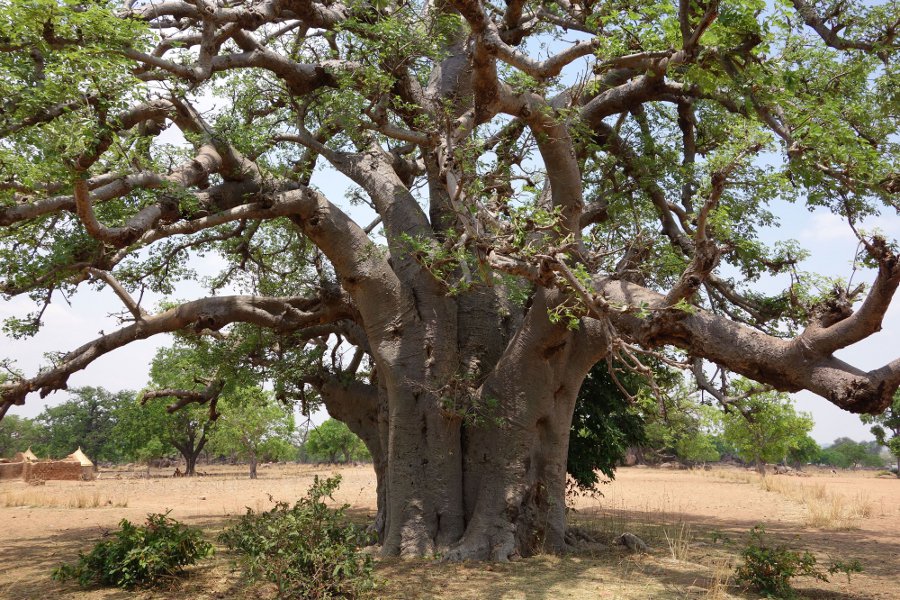
Baobab

baobab

A baobab tree in northern Ghana.

Brian Fletcher was startled when the lithe, green-eyed Ghanan woman stepped out from behind the baobab tree.

“I wouldn’t pick the flowers. The gods cursed the baobab. Picking even a single white flower is bad luck.”

The hunter defiantly plucked one, then two more flowers, and then held out his arm. She took a step backward, and he laughed. “Stupid superstition.”

“You will meet your fate, Mr. Fletcher as you have sent many elephants to theirs…poacher.”

“How did you…?”

The dark woman dashed back around the tree’s large, twisted trunk.

“Wait a minute.” The muscular, middle-aged man threw the flowers to the ground and ran after, but it wasn’t a woman he found on the other side.

He only had time to notice that the lioness possessed the same green eyes before she tore him apart. The gods had again wrought terrible justice against one who would desecrate their lands.

I wrote this for the What Pegman Saw writing challenge. The idea is to use a Google maps image/location as the prompt for crafting a piece of flash fiction no more than 150 words long. My word count is 150.

Today, the Pegman takes us to Bamboi, Northern Region, Ghana. I couldn’t find anything on Bamboi in a casual Google search, since it kept trying to redirect me to “bamboo.” I did look up Northern Region (Ghana), and there I found the Baobab Tree, and more importantly, the legends and myths about it. There are numerous myths, so I chose one, leveraging information about poaching in Ghana.

To read other tales based on the prompt, visit InLinkz.com.
Human Flagpoles

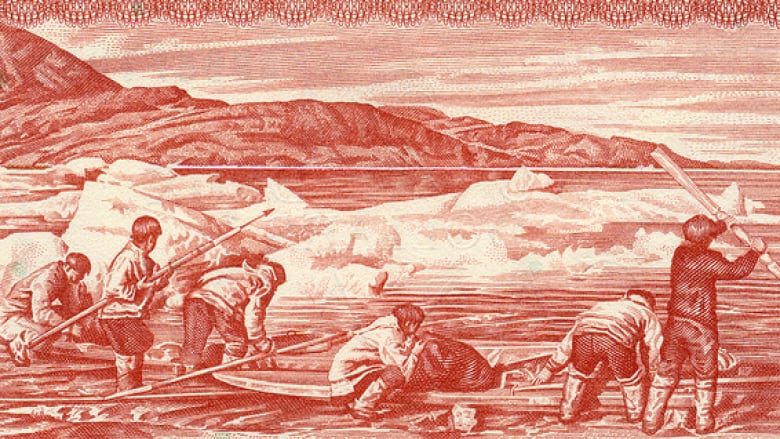
resolute

Circulated between 1974 and 1979, the two-dollar bill features Joseph Idlout and his relatives preparing their kayaks for a hunt. (Bank of Canada / National Currency Collection)

“But it’s so cold up here, Grandfather.” The nine-year-old huddled with the rest of his brothers and sisters around the aged Inuit in front of the fireplace in the family hut.

“I know, George, I know it’s much colder here than in Inukjuak, but we were starving there. The white government says they will help us.”

“By moving us and seven other families to this frozen wasteland, Father?” Joseph paced back and forth in frustration. “You know why they’re doing this, don’t you?”

“Please, Joseph. For the children’s sake.”

“They might as well know the truth, Father. The Canadian government is using us as human flagpoles, sticking us in Resolute to establish a far north dominance and rattle their sabers at the Soviets.”

“They’ve lied to us many times before, put us on their reservations, but we have always survived.” The old man’s voice was resolute. “We will survive this.”

I wrote this for the What Pegman Saw flash fiction writing challenge. The idea is to use a Google maps image/location as the prompt for crafting a wee tale no more than 150 words long. My word count is 150.

Today, the Pegman takes us to Resolute, NU, Canada. Naturally, I relied on Wikipedia as my “quick and dirty” information source, but I had to read no further than the Settlement section to get my ‘hook.” It’s the sad tale of the High Arctic Relocation of “seven or eight families from Inukjuak, northern Quebec (then known as Port Harrison) first transported to Grise Fiord on the southern tip of Ellesmere Island and then to Resolute on Cornwallis Island” in August 1953. Click the link to learn more.

To find out even more about this dark time in Canadian history and why I titled my story “Human Flagpoles,” read ‘Human Flagpoles’: Dark story behind Inuit scene on $2 bill (which is where I got the image for my story) and Ottawa sorry for using Inuit as ‘human flagpoles’.

Read other stories based on the prompt by visiting InLinkz.com.

The Chernobyl Man

pripyat

© Dec 2016 – Google

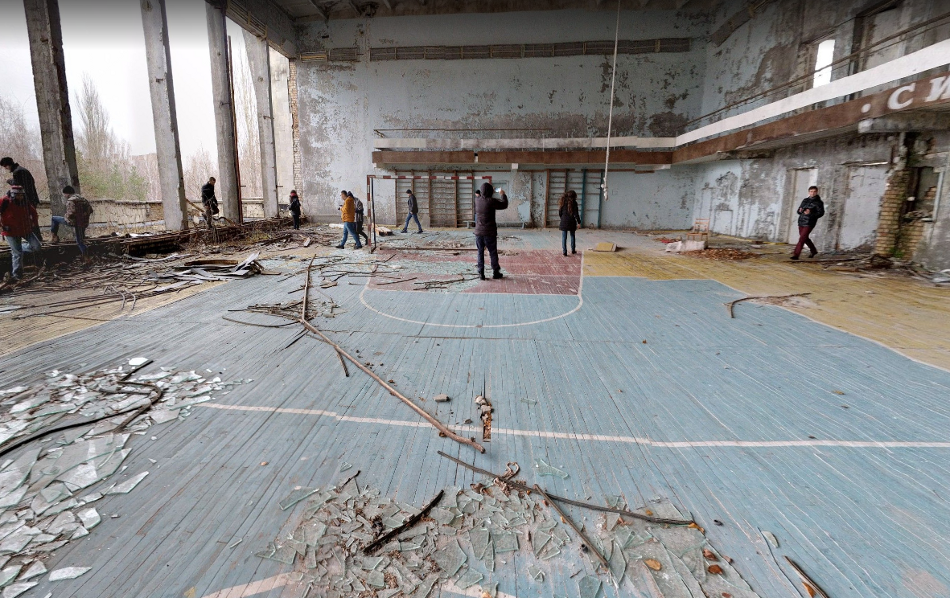
The tourists have been here for quite a while, but due to the dropping radiation levels, I’m unconscious most of the time. Pretty soon, I’ll fade away altogether, though I expect that will be a blessing.

At first, I wasn’t sure if I was dead or not. Of course, the Chernobyl accident killed everyone, including my maintenance team, and the citizens evacuated from Pripyat because of the danger, but what happened to me was unique. Did the radiation convert my body to this invisible plasma, or is this the nuclear representation of my soul?

As the radiation levels began to subside, so did I. It’s been a lonely existence, but somehow these tourist seem like an intrusion to me. After all, for years, I was the sole King of my domain, the only one who could live in my personal city. Now I’m just a dying artifact of another age.

I wrote this for the What Pegman Saw challenge. The idea is to use a Google Maps image and/or location as the prompt for crafting a piece of flash fiction no more than 150 words long. My word count is 150.

Today, the Pegman takes us to Pripyat, Ukraine, which was a community abandoned after the Chernobyl disaster. Because of that, the city has a unique history, and due to rapidly dropping radiation levels, people can go on tours of Pripyat now.

Of course, I had to add another wrinkle.

To read other tales based on this prompt, visit InLinkz.com.

The Eagle of Hans Langsdorff

eagle

© EPA – Graf Spee Eagle

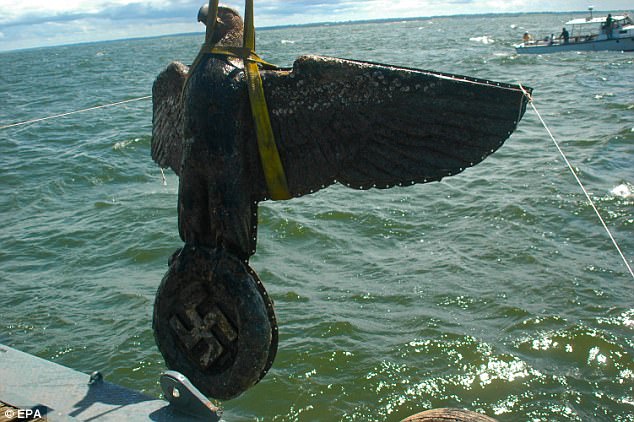
He watched as divers brought up the figurehead of his beloved Graf Spee from the muddy depths where it had lain for nearly seventy years. If he could have wept, bitter tears would have streamed down his face, but this was denied him as well as peace he had sought long ago. Instead, damnation has been his constant companion, and though he could take no breath, what was once his heart was crushed at this bitter reminder.

They covered the swastika displayed beneath the eagle’s nine-foot wingspan out of consideration of those still sensitive to Hitler’s bloody legacy. So be it. The Nazi dream was just as dead as Hitler, and just as dead as Captain Hans Langsdorff who committed suicide two days after scuttling the German battleship rather than have it fall into enemy hands. How fleeting and meaningless history has rendered his ship and his wandering spirit.

I wrote this for the What Pegman Saw writing challenge. The idea is to use a Google maps image/location as the prompt for crafting a piece of flash fiction no more than 150 words long. My word count is 149.

Today, the Pegman takes us to Montevideo, Uruguay. As usual, I looked up the location and under 20th century, I found this:

During World War II, a famous incident involving the German pocket battleship Admiral Graf Spee took place in Punta del Este, 200 kilometers (120 mi) from Montevideo. After the Battle of the River Plate with the Royal Navy and Royal New Zealand Navy on 13 December 1939, the Graf Spee retreated to Montevideo’s port, which was considered neutral at the time. To avoid risking the crew in what he thought would be a losing battle, Captain Hans Langsdorff scuttled the ship on 17 December. Langsdorff committed suicide two days later. The eagle figurehead of the Graf Spee was salvaged on 10 February 2006; to protect the feelings of those still sensitive to Nazi Germany, the swastika on the figurehead was covered as it was pulled from the water.

I found the story verifying this at BBC News and the rest, as they say, is history.

To read other stories based on the prompt, visit InLinkz.com.
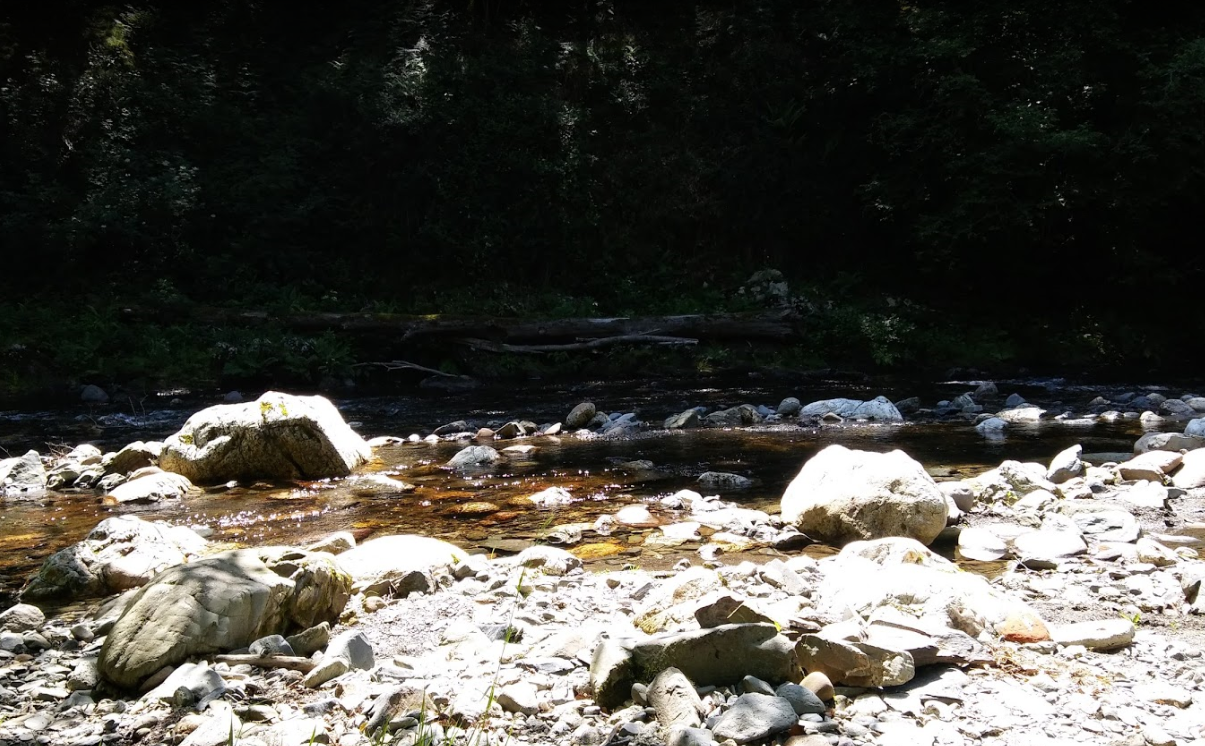
Oh, the location seemed familiar, and earlier this year, I wrote a tale for the same location.

Wilderness Artifact

rawson lake

© Google 2014

Toby and Elaine got out of their car at the trailhead at Upper Kananaskis Lake. Bill Davis, their guide, was waiting by his truck.

“You folks ready?”

Toby and his wife strapped on their backpacks. “Doesn’t seem that remote.”

“It will be.” The Cree winked at them both.

Elaine marvelled at the snow-capped mountains. “It’s really beautiful.”

“This part’s for tourists. We’d better get going. It’s a 300 meter climb to Rawson.”

“You really know where it is?” The young woman took her husband’s hand.

“I’ve lived here all my life. We know the rumor’s really a fact, and it’s only because it’s your Granddaddy’s plane you’re looking for that I said I’d help.”

“That and the reward,” added Toby.

“I know exactly where the B-24 crashed back in ’44. That spaceman tech inside’s been there for over 70 years. It’ll keep, but I don’t want to still be hoofing it come nightfall.”

I wrote this for the What Pegman Saw photo challenge. The idea is to us a Google Maps image/location as the prompt for crafting a piece of flash fiction no more than 150 words long. My word count is 150.

Today, the Pegman takes us to Rawson Lake, Alberta, Canada. I leveraged information I found at the Hiking with Barry – Wilderness Adventure blog to set the scene, but a crashed B-24 Liberator containing alien technology is (as far as I know) totally fictional.

To read other stories based on the prompt, visit InLinkz.com.
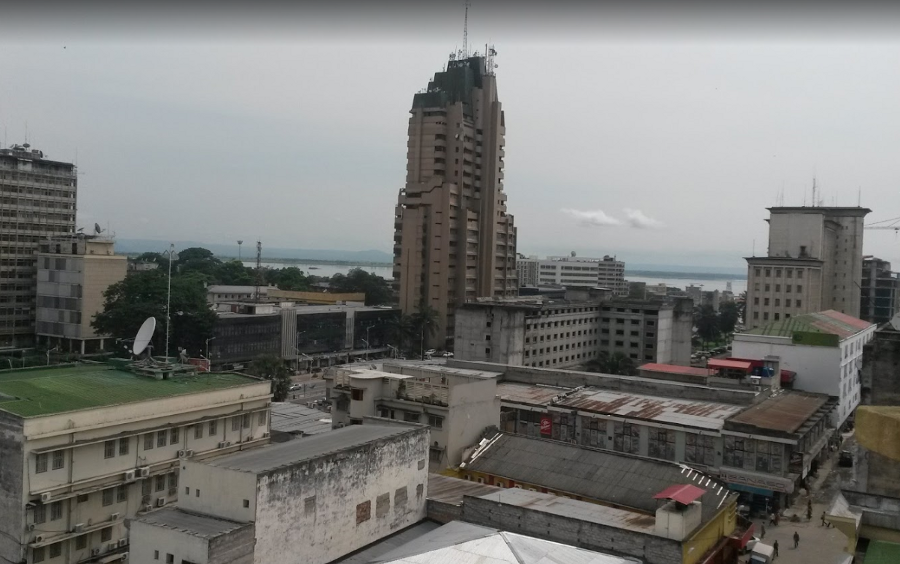
The Street Children’s Mother

kinshasa

© Google 2014 – Kinshasa, Democratic Republic of the Congo

Mamadou, Karla, and Bonte were trapped in the alley by the policeman.

“I’ll give you little street rats what you deserve,” he said, unzipping his trousers.

Mamadou was nine, the oldest, and Bonte was eight. The boys got in front of five-year-old Karla, for though man would abuse them all, he would start with her.

“We’re just trying to get some food.”

“I’ve got what you need right here.” He exposed his genitals, which was a common and hated sight to them.

Then a huge shadow blocked the light from the street.

“What is…?” He stopped talking and gazed up at the dragon in terror. A swat of her tail, and he lay broken on the ground.

“I will not hurt you, children.” Her voice was a mother’s kindness. “I will take you home with me.”

Three pairs of eyes were wide with wonder as they entered a different world.

I wrote this for the What Pegman Saw writing challenge. The idea is to use a Google maps image/location as the prompt for crafting a piece of flash fiction no more than 150 words long. My word count is 150.

Today, the Pegman takes us to Kinshasa, Democratic Republic of the Congo. I found my hook when I read about the estimated 20,000 children living on the street, almost a quarter of them beggars, and how they are frequently abused by the police. I leveraged my “Davidson Children” story (I finally finished the first draft of my novel), since the dragons’ city in exile is a haven for abandoned and dying children from all around the world and across human history.

I figured these children could use a mother.

To read other stories based on the prompt, visit InLinkz.com.
The Long Wait for Retribution

naddaf

PHOTO: Mohamed Naddaf has been jailed for at least eight years. (AAP: David Crosling)

I know why Norman Sharp was convicted of the murder of his wife Inbar Rahal in Melbourne. His story was that he found her in their car, beaten, stabbed, and bound. Sharp took her inside and treated her wounds, not calling for help because DHHS had already threatened to take their three children because of filthy home conditions.

Authorities found him hugging her corpse five days later.

He went to prison and the children to foster care.

To this day, Sharp continues to declare his innocence, and denies any knowledge of how Inbar had come to be so mistreated.

As for the Jinn who had possessed him, I’ve only been hunting him for twenty years, but his grievance with Inbar spanned centuries. One of Inbar’s ancestors had murdered his own daughter, whom the Jinn had possessed because he loved her. The Jinn had his revenge and someday, I’ll have mine.

I wrote this for the What Pegman Saw writing challenge. The idea is to use a Google Maps image/location as the prompt for crafting a piece of flash fiction no more than 150 words long. My word count is 150.

Today, the Pegman takes us to Melbourne, Australia. Naturally, I looked the place up, but there was way too much information for me to quickly decide on a topic, and I need to get the yard work done before it gets too hot.

I looked up their local news and found the ABC news story Death of woman ‘slow, miserable and avoidable,’ judge tells husband. I used the basic facts of the case as the basis of my story, changing some of the details and, of course, the names.

I also researched Exorcism in Islam and found a Jinn might possess someone because they are dangerous to the Jinn, they are in love with the person, or just because the Jinn is evil.

I created my “Jinn hunter” because I needed a narrator.

To read other tales based on the prompt, visit InLinkz.com.