Quoting: Talking to the Little Child Within

pliskin

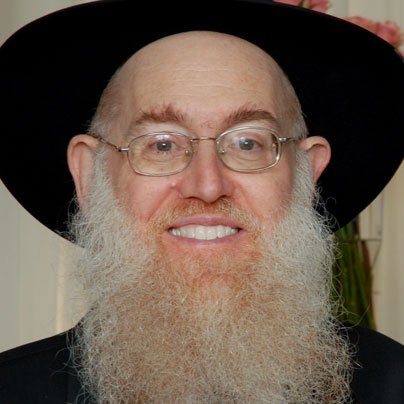
Rabbi Zelig Pliskin – Found at the website promoting the book “The Light From Zion.”

We all have many positive messages stored in our mind since childhood. Counterproductive and limiting messages are stored, too. We may have outgrown many of them. but often, not all of them. Now, in the present, we have the ability to talk to the “little child” within, as it were. You can immerse your childhood self with positive and life-enhancing messages.

Some people find that giving encouraging and empowering messages to their “inner child” helps them do more than just develop new attitudes and mindsets.

What is the main message that is so important for every child to have? It is the awareness that he is a valuable human being. He is lovable; other people will like him and want to be friends with him. He has positive qualities now and he will be able to continue developing these and other positive qualities throughout his life. He is competent and able to do many things, and he will be able to keep learning new things throughout his life.

People who already have these positive attitudes, beliefs, and mind-sets are fortunate. Those who don’t yet have them need to make it a high priority to keep developing them. By talking to your “inner child” directly, you can make it easier for your mind to integrate these basic and fundamental attitudes towards yourself and your life.

Continue reading

Quoting: Thanks for the Criticism

pliskin

Rabbi Zelig Pliskin – Found at the website promoting the book “The Light From Zion.”

Be resolved for the next two weeks to thank anyone who criticizes you.

Visualize yourself being able to do this with a sense of inner joy. Since you’re mentally prepared to do this, it will be much easier to implement.

-from Rabbi Zelig Pliskin’s Gateway to Self Knowledge, pp.184-6.

I suppose this one is good for me today, since when I checked my emails a little earlier, I found two rejections of my submitted short stories, one from a Christian speculative fiction magazine. That brings me up to about thirteen, including two stories that were rejected twice. The other periodical said that they had received more than 400 submissions, so I guess competition is pretty stiff out there. Well, at least people are reading my works before saying “No.” I love Rabbi Zelig’s commentaries, but I must say they aren’t always easy to accomplish.

Quoting: Soften Criticism

pliskin

Rabbi Zelig Pliskin – Found at the website promoting the book “The Light From Zion.”

If someone is critical of you in a harsh tone of voice, try telling them the following:

“I appreciate your strong feelings about the matter, but I would appreciate the comments more if they were expressed more pleasantly.”

From Rabbi Zelig Pliskin’s book Gateway to Self Knowledge, pp.184-6

Given all of those shrill voices in social media and occasionally in real life, this is a much needed reminder that we can ask folks to turn down the volume a bit.

Quoting: Love Criticism

pliskin

Rabbi Zelig Pliskin – Found at the website promoting the book “The Light From Zion.”

Work on developing a love for accepting criticism. When you have a sincere desire to grow and develop, you will appreciate the opportunities that arise for further growth and development.

Criticism expressed with profound love and concern is easier to handle than criticism expressed with anger or condescension. But if what is said to you is beneficial for you, accept it regardless of how it is said.

-from Rabbi Zelig Pliskin’s Gateway to Self Knowledge, pp.184-6

This one’s particularly difficult, because while some people criticize you in a sincere effort to help you improve, others do so as a method of tearing you down. That said, even the latter can sometimes be useful, but only if you can accept the criticism without blame or shame.

Quoting: Worry is Created by Self-Talk

pliskin

Rabbi Zelig Pliskin – Found at the website promoting the book “The Light From Zion.”

The more you engage in joyful and grateful self-talk, the more your mind will be free from worry.

Some people tell themselves, “It’s my nature to worry.” But the truth is that no one is born a worrier. A person might have started worrying at a young age and have many early memories of worrying. A person might find it very difficult not to worry. But this isn’t someone’s basic nature. Worry is essentially self-talk about something negative that you hope won’t happen. You feel anxious and distressed about the possibility.

One way out of the worry pattern is to think of potential solutions. Whenever you worry about something, imagine three or more alternate outcomes.

A happy and joyful person has mastered the art of thinking in patterns that create happiness and joy. Let this be your mind.

from Rabbi Zelig Pliskin’s book: Conversations With Yourself, pp.258-9

Quoting: Get Beyond the Mask

pliskin

Rabbi Zelig Pliskin – Found at the website promoting the book “The Light From Zion.”

It’s easy to be intimidated by mean people. See through their mask. Underneath is an insecure and unhappy person. They are alienated from others because they are alienated from themselves.

Have compassion for them. Not pity, not condemning, not fear, but compassion. Feel for their suffering. Identify with their core humanity. You might be able to influence them for the good. You might not. Either way your compassion frees you from their destructiveness. And if you would like to help them change, compassion gives you a chance to succeed.

-from Rabbi Zelig Pliskin’s book Happiness,p.179

Quoting You Are Not At Risk

pliskin

Rabbi Zelig Pliskin – Found at the website promoting the book “The Light From Zion.”

Fear of failure is a prime cause of anxiety. People think, “If I don’t succeed, I am a worthless failure.”

Someone who fears failure is not willing to take the risks that are an essential ingredient in every new undertaking. This prevents him from taking action in many situations in which he could accomplish a great deal.

If someone accepts that his intrinsic worth as a person is never at risk ― even if he does not succeed at a given task ― then he is likely to try much more to accomplish.

-from Rabbi Zelig Pliskin’s book “Gateway to Happiness,” p.131

Every morning, I get an email from the Jewish educational organization Aish.com containing, among other things, quotes like this one. Although I’m a Christian, I tend to “resonate” more with Jewish theological perspectives. Since lately, I’ve been discussing some rather negative trends in the world of SF/F relative to events at the recent WorldCon convention in San Jose, I thought I should provide a counterbalance. We should define ourselves by our best qualities, not by who or what we oppose.

So I thought I should start providing a quote from Rabbi Zelig Pliskin on this blog every morning that I’m able (next week, I’ll be taking a trip and may be offline for a few days). This is probably more in line with my religious blog My Morning Meditations, but I think it’s needed here.

Perhaps it will convince some people that the world of religion isn’t always evil or hateful, and that there may be a profound wisdom, kindness, and joy inside the hearts of many who have faith in a power greater than human beings.