The Name

yarn

PHOTO PROMPT © Ted Strutz

If you like my work, buy me a virtual cup of coffee at Ko-Fi.

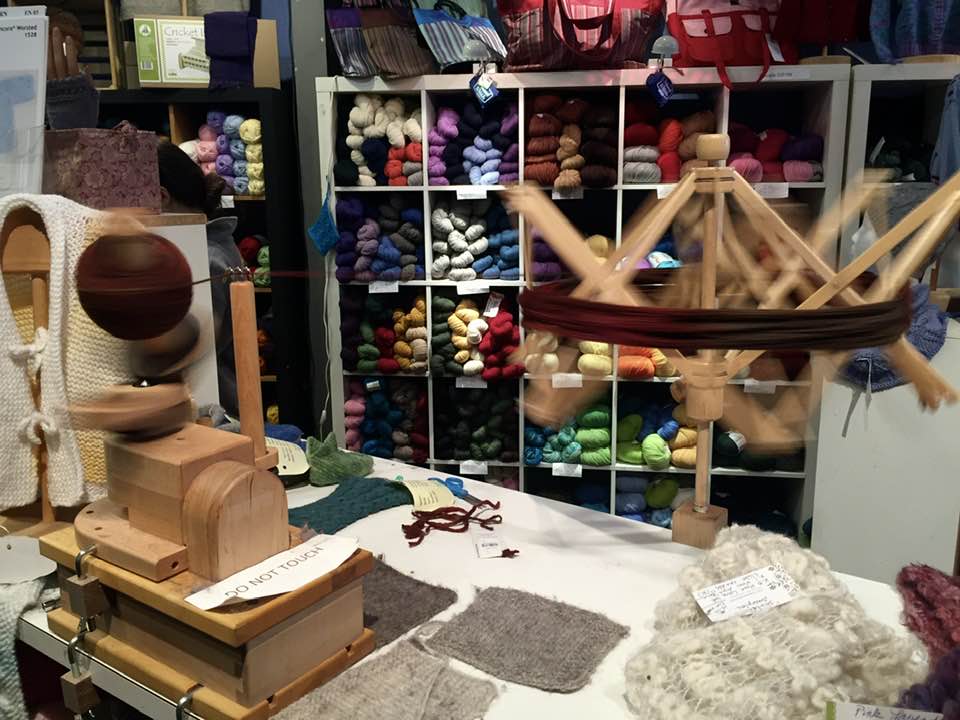
Griffith hated “blipping” into random places, especially late at night, but that was how the quest worked. This yarn shop wasn’t an unanticipated destination. The next clue was here. In fact (he quickly counted the words he already had) this should be the last one. Then he could assemble The Name.

This had been centuries in coming. Once he puzzled out The Name and said it out loud, He would come and the world would be safe. But where was it hidden?

“Please don’t hurt me.” The woman crouching in the corner was a beautiful last word for The Name.

Continue reading

Review of Max Barry’s Novel: “Lexicon”

lexicon

Cover image for Max Barry’s 2013 novel “Lexicon”

I just finished Australian author Max Barry‘s 2013 novel Lexicon and I think it’s terrific.

I first became aware of him and this novel by reading a 2014 article he wrote for Gizmodo called How to Write a Great Science Fiction Novel in 7 Easy Steps and, as far as I can tell, “Lexicon” is the first SciFi novel he ever published, though he’s written other books before.

The novel is intriguing in that words are used as weapons, and they can ultimately kill. It’s a lot more complicated than that, but as it turns out, there are certain individuals who, properly trained, can analyze the personality “segment” of people around them, determining which words (which in the book are all nonsense words) will influence them.

But it’s worse than that. A teenage girl named Emily Ruff, who is a runaway and homeless in San Francisco at the beginning of the story, is recruited by a mysterious group of people and begins training at an exclusive prep school in Virginia (think “Professor Xavier’s School for Gifted Children” except the children are especially persuasive, but not mutants).

Continue reading

Quoting: Choose Your Words Carefully

“Death and life are in the power of the tongue” (Proverbs 18:21).

If you were writing a newspaper article, you’d be sure to choose your words carefully. You’d even ask others to help edit what you wrote.

It is equally crucial to watch what you say when speaking to your husband or wife. Your words to your spouse can create feelings of joy, love, closeness, gratitude, and hopefully even radiant bliss. Your words can console, comfort, inspire, motivate, elevate.

Other words can create feelings of pain, distress, and anger.

Choose carefully.

-from Rabbi Zelig Pliskin’s book entitled “Marriage” – ArtScroll Publications, 1998, p. 137