Quoting: Be Objective About Your Actions

There is a strong tendency for an evil person to consider himself good, and for a truly good person to consider himself bad. The rationale behind this is simple: Their criteria of good and bad differ greatly.

A good person desires to help others, and when unable to do as much as he idealistically wishes, considers himself “bad.”

An evil person considers himself “good” if he refrains from beating someone up after taking their money.

The lesson: Be objective about your actions.

-Sources: Imrai Binah, p.45; Rabbi Zelig Pliskin’s Gateway to Happiness, p.132

Not sure I totally agree with this person. I think a person can consider themselves good if they use the group’s mindset of good without weighing the pros and cons within themselves. A lot of folks automatically label things “good” and “bad” and never give it another thought because some authority tells them that’s how things should be defined. The truly “good” person will struggle with the moral issues, even when it’s painful, because that’s when they actually take ownership and responsibility for their own attitudes, decisions, and actions.

Quoting: Overcome Fears Blocking Action

When trying to influence someone and you find that your first approach is not effective, try to figure out what specifically is holding him back from accepting your position. For example: What fears might he have? What obstacles might he be focusing on that would make it difficult for him? Then show the person why he has no reason to be afraid and that the potential obstacles will not be a problem.

Today, think about what fears are holding you back from taking some positive action that you know is in your best interest. Imagine that you have been given the gift of tremendous courage and confidence. Let this empower you – and resolve to take action!

Sources: see Ralbag – Shaar ahavas rayim, no.12

Quoting: A Soft Reply Turns Away Anger

“A soft reply turns away anger.” (Proverbs 15:1)

When you communicate to others in a soft manner, this will calm someone who is already angry at you. This refers to both your tone of voice and the content of what you say. Be mentally prepared to apply this to someone who is likely to speak to you in anger.

When the person who is angry has a valid complaint against you, admit that he’s right – and this will calm him down.

Sources: see Vilna Gaon – Proverbs 14:30 and 15:1; Rabbi Zelig Pliskin – “Consulting the Wise”

Book Review: Contest

contest

Cover art for Matthew Reilly’s novel “Contest.”

Sometime last summer, I wrote a short piece of fiction on this blog, and one of the comments made about it was that it was vaguely reminiscent of Matthew Reilly’s novel Contest.

Intrigued, I discovered that my local public library system had a copy, so I checked it out and started reading (however, I forgot to write a review until now).

Actually, the novel was originally self-published in 1996 when Reilly was age 19. Then Cate Paterson, a commissioning editor from Pan Macmillan, found a copy of in a bookstore and subsequently signed Reilly to a two-book deal. Apparently, Reilly had success with later novels as well.

Reilly is an Australian, but he chose to set his tale in New York City, specifically the main branch of the New York City Public Library (which was featured at the beginning of the 1984 film Ghostbusters), and his main characters are New York natives, which is where he starts to get into trouble.

Actually, I liked the book, but he introduced plot holes big enough for me to walk through, and he occasionally called things like the trunk of a car “the boot,” not keeping it straight in his mind that the people thinking these thoughts were American.

Continue reading

“Flash Fiction Addiction” Anthology and a lot of Authors

Do you want to see a lot of names, because this is a lot of names. 101 authors and stories selected for this anthology out of a pool of nearly three times as many. If each writer maxed out the word count of their wee missives at 750, the total would be 75,750, or the size of a novel. Here they all are. I’m in there somewhere. 😉

Look for it on April 15, 2019.

ffa

Flash Fiction Addiction table of contents

Quoting: Choose Your Thoughts to Avoid Worry

Worry is when you choose from millions of possible thoughts, only the few which deal with a potential misfortune or problem.

Once you accept your worrying as the act of choosing specific thoughts, you can consciously make an effort to avoid those thoughts that cause you needless pain and choose more constructive, positive thoughts.

-from Rabbi Zelig Pliskin’s Gateway to Happiness, pp.157-8

Being Published in the Anthology “Flash Fiction Addiction”

ffa

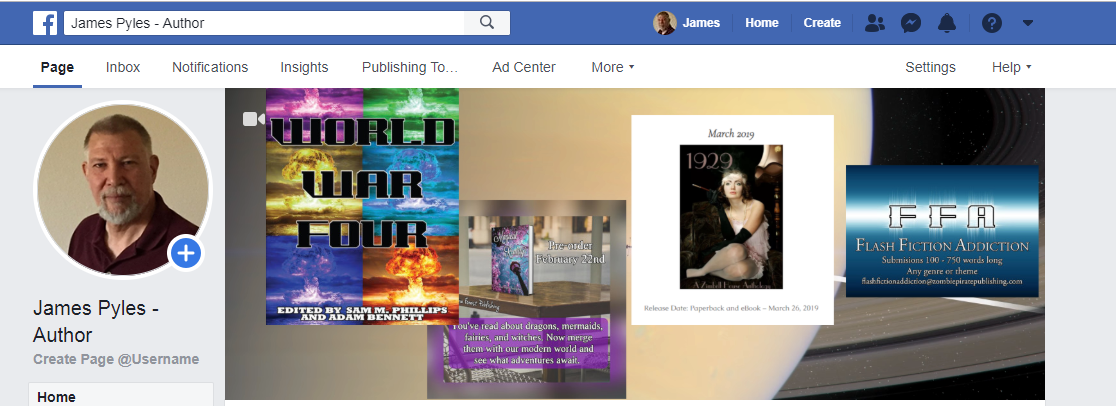
Announcement for “Flash Fiction Addiction” from Zombie Pirate Publishing

My flash fiction story “Growing Flowers” has been accepted for the “Flash Fiction Addiction” anthology to be published by Zombie Pirate Publishing.

The original announcement states:

FLASH FICTION ADDICTION is now open for submissions. Very short stories 100 – 750 words long. Any genre or theme. Subs close when we have 101 accepted stories.

They received nearly 300 submissions and accepted 101, including mine. Look for it at Amazon on April 15, 2019.

EDIT: Updated image below.

ffa

Promotional image for the anthology Flash Fiction Addiction

Quoting: Show Concern Instead of Anger

Rabbi Yitzchok Blauser’s daughter once went to the cupboard, and all the glasses, cups and dishes fell and broke. He did not get angry at her, and he did not even ask her why she wasn’t more careful.

Rather, his only concern was that she should not be upset or frightened. He said to her, “Don’t worry. There’s not need to get upset. It’s all right.”

Sources: Hosair Kaas Mailibecho, p.185; Rabbi Zelig Pliskin’s Gateway to Happiness

Quoting: Use Auto-Suggestion for Approval

Repeat to yourself slowly and calmly again and again, even hundreds of times, “I do not need the approval of others,” or, “What others think of me does not make a difference.”

Contemplate these thoughts until you start to internalize them. Repetition will help you integrate them. Realize that you may have repeated many thousands of times the need for approval of others. Counteracting these takes many repetitions.

-from Rabbi Zelig Pliskin’s “Gateway to Happiness,” p. 289

ME: Especially with the contentiousness going on in social media at the moment (well, really at all times), this is an important message. Celebrities and other pundits don’t have control of your life, thus their opinions about those who disagree with their pronouncements mean less than nothing.

Official Table of Contents of “World War Four”

ww4

Updated “World War Four” anthology Table of Contents

Yes, I’m excited. You’ve seen variations on this before, but the anthology’s TOC now includes the title of the novelette by internationally bestselling science fiction author Neal Asher. As an aside, having recently finished N.K Jemisin’s Hugo-award winning novel The Fifth Season, I’ve started reading Asher’s Dark Intelligence (2016), the first book in his Transformation series. Can’t wait to review it.